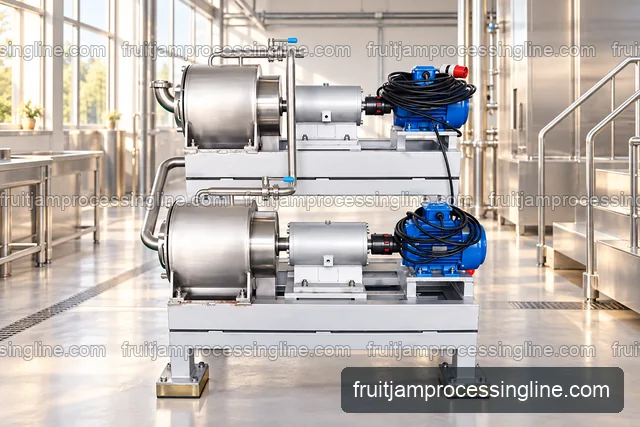
Two-stage fruit pulper and refiner
Resolve pulp texture before concentration makes handling harder.
Specify raspberry jam around the accepted seed and pulp condition, then connect preparation, batch cooking and viscous filling.
Fruit applications
Specify raspberry jam around the accepted seed and pulp condition, then connect preparation, batch cooking and viscous filling.
Discuss this applicationThe equipment shown is a machine-family reference; the final configuration is selected for your product.
A seeded spread and a product with a specified seed-removal condition require different preparation choices. State the accepted seed and pulp profile in the incoming material and finished product. If refining is requested, agree the screen assembly, reject stream, sampling method and usable yield on representative fruit. Do not infer a seedless result from the machine photograph or screen name alone.
Evaluate the preparation duty separately from concentration, mixing and filling. Purchased raspberry pulp may already meet the intended inlet specification and can avoid duplicated processing. Review the cooked product's handling condition when choosing the transfer arrangement and metering system, including cleaning access to screens, valves and nozzles.
Include your incoming fruit form, the required seed condition, intended recipe route and retail or food-service container. Where possible, provide the accepted sample condition and the measurement method you use. For an existing line, identify the troublesome step so the discussion can focus on refining, cooking or filling rather than replacing unrelated equipment.
Resolve pulp texture before concentration makes handling harder.
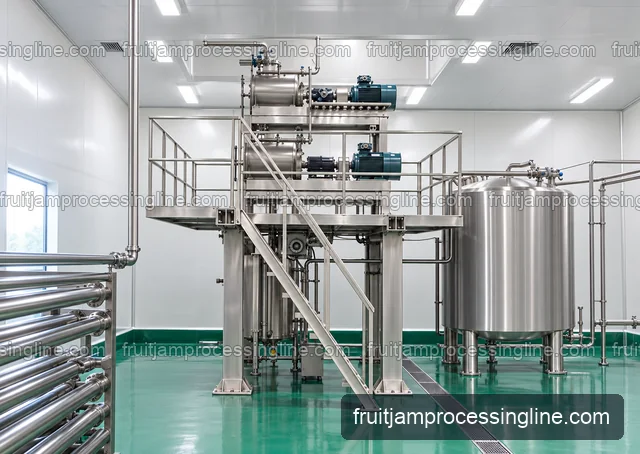
Make the recipe traceable before heat is applied.
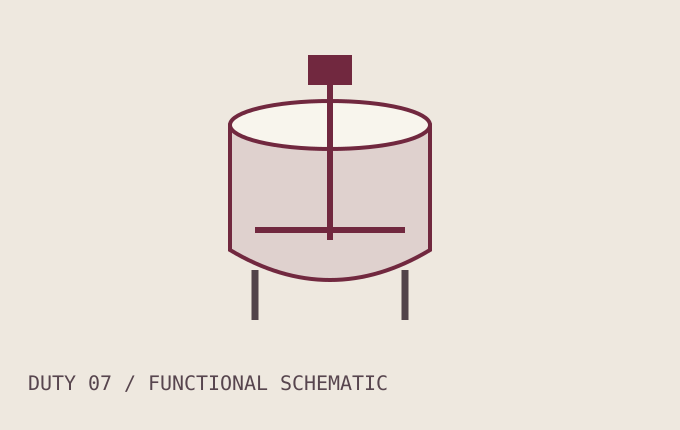
Keep a smooth viscous batch moving across the heated surface.
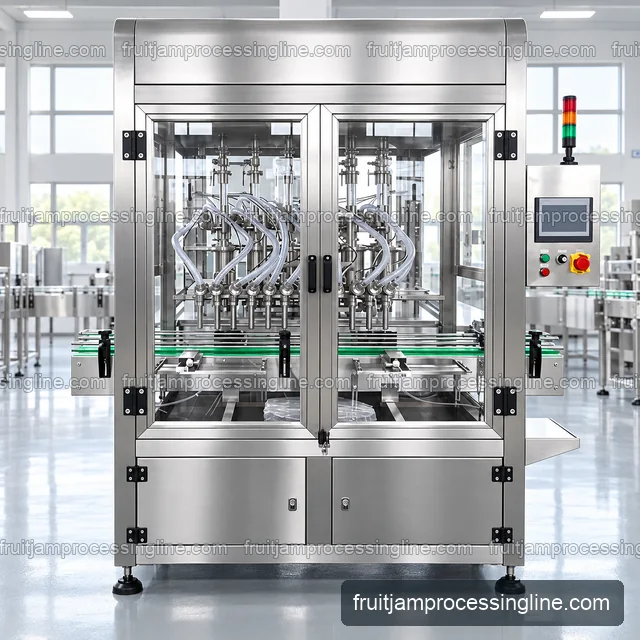
Prove the package with the product the line actually makes.